Sports PT & Performance · Metro Detroit
Back on the field.
Back on the field.
Back in your life.
Here's what most clinics won't tell you: you don't heal by resting and hoping. You heal with a plan. Whether you're an athlete chasing a comeback or an adult who's done living around the pain, we build that plan around your body, prove it with real numbers, and get you back to what you love. No rushing. No guessing.
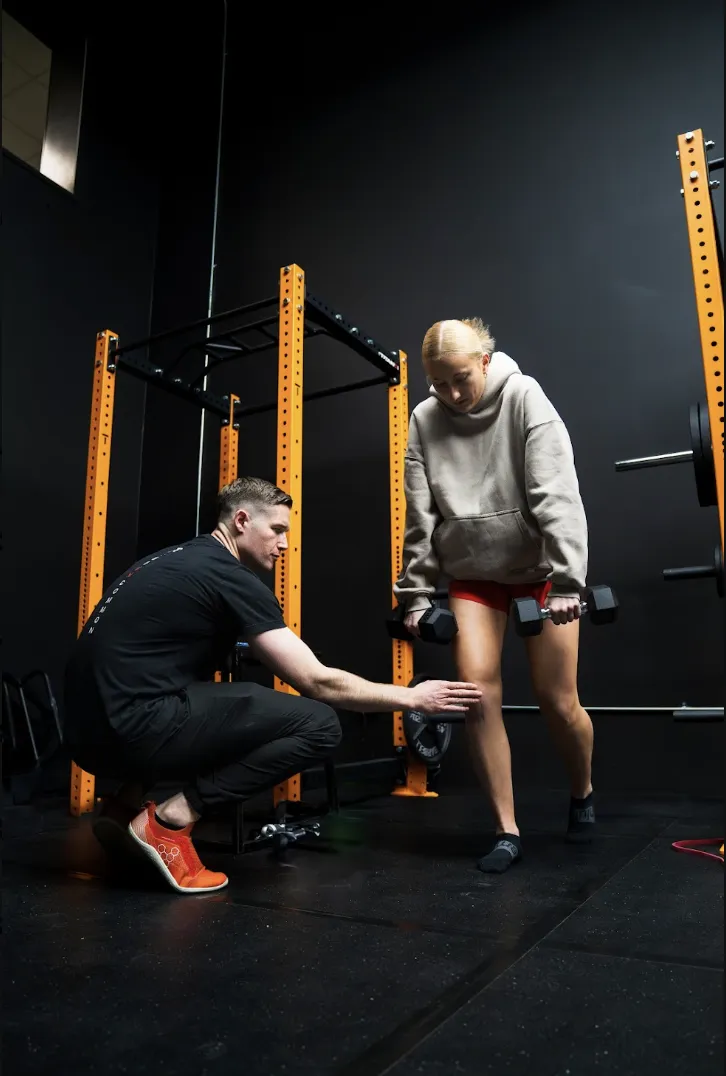
500+ comebacks and counting
● Athletes & active adults
● 1-on-1 & small-group semi-private
● The same tech the pros get tested on
● Two locations: Livonia & Bloomfield
We've rehabbed athletes from






In their words
The pros trust us with their comeback
From the NFL to the NWSL to the kid down the street — here's what they say after working with us.
★★★★★
"Zack was the only person I met pre-surgery who gave me an outline of my next few months based on how I was performing — not just how many weeks it had been since surgery. I'm 6 months out and most of my test numbers already look better than before my injury. I'd 100% recommend Primal to any athlete."

Lukas BergKiruna FF · Pro Soccer
★★★★★
"I've worked with Zack for 5 years now. He's incredibly knowledgeable about keeping players healthy and rehabbing injuries, using functional movement specific to your sport. He truly listens to the athlete to build the best plan possible."

Austin BryantSan Francisco 49ers · NFL
★★★★★
"Primal actually fixes the problem instead of slapping a bandaid on it. After 8 years of hamstring issues, just 2 months with Zack and they're stronger than ever — no more pain. Going into my 5th NWSL season, I've never felt more confident in my body."

Courtney PetersonRacing Louisville · NWSL
★★★★★
"Zack is amazing! I spent several weeks with him during my offseason and it was a joy. I'm feeling fit, strong, and ready for the upcoming season. He's the best — highly recommend!"

Kellyn AcostaChicago Fire FC · MLS
★★★★★
"Zack is extremely knowledgeable and so helpful with my recovery and injury prevention over the off-season. Flexible with my schedule and consistently checking in on my progress. I'd highly recommend him to anyone, especially in the soccer world."

Izzy RodriguezKansas City Current · NWSL
★★★★★
"Zack was awesome helping me rehab my ankle sprain. His soccer-specific techniques were exceptional — tailoring the rehab to real soccer movements made a huge difference in both my recovery and my performance on the field."

Jordyn ListroTampa Bay Sun FC · USL Super League
★★★★★
"Zack provides one of the most advanced yet highly individualized physical therapy. His use of technology, experience, and knowledge gave me the best possible care after my ACL surgery. He listens, he cares, and he goes above and beyond. Without him, I would not be back to playing soccer at a high competitive level."
E
Elisa BaronACL Recovery · Google Review
★★★★★
"I came to Zack months after my ACL and meniscus repair with a lot of pain. His deep knowledge and personalized plan are the sole reason I'm finally back to my normal self. I'd lost hope my knee would ever feel normal again — Zack proved otherwise. There is no better option for your recovery."
A
Allyssa WhiteACL Recovery · Google Review
★★★★★
"As a professional athlete, being injured affects my lifestyle and my job. I had a calf injury weeks before a tournament and couldn't train without pain. I messaged Zack, got an appointment immediately, saw results right away, and have had no pain since. Extremely dedicated and professional."

Madi WolfbauerHouston Dash
Pick your path
Two ways to get back
One of these is you. Pick the path that fits, and let's build the plan that gets you there.
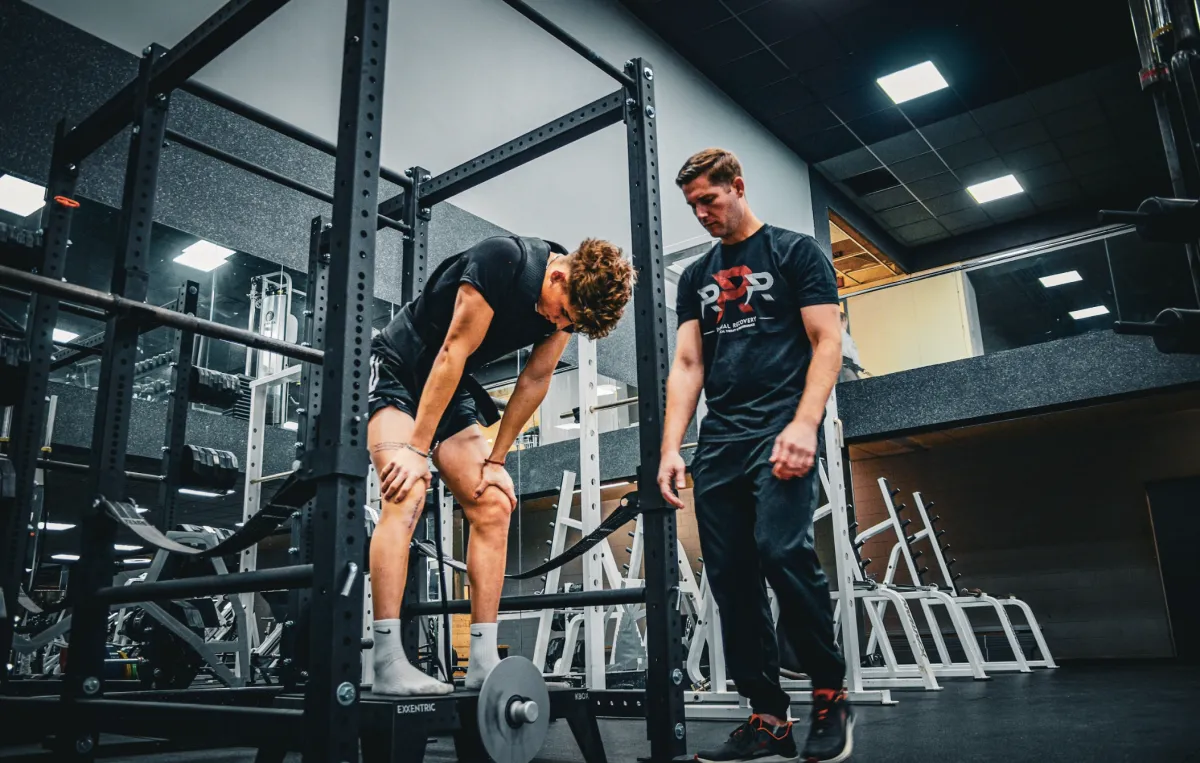
For athletes
Sports Rehab & ACL Comeback
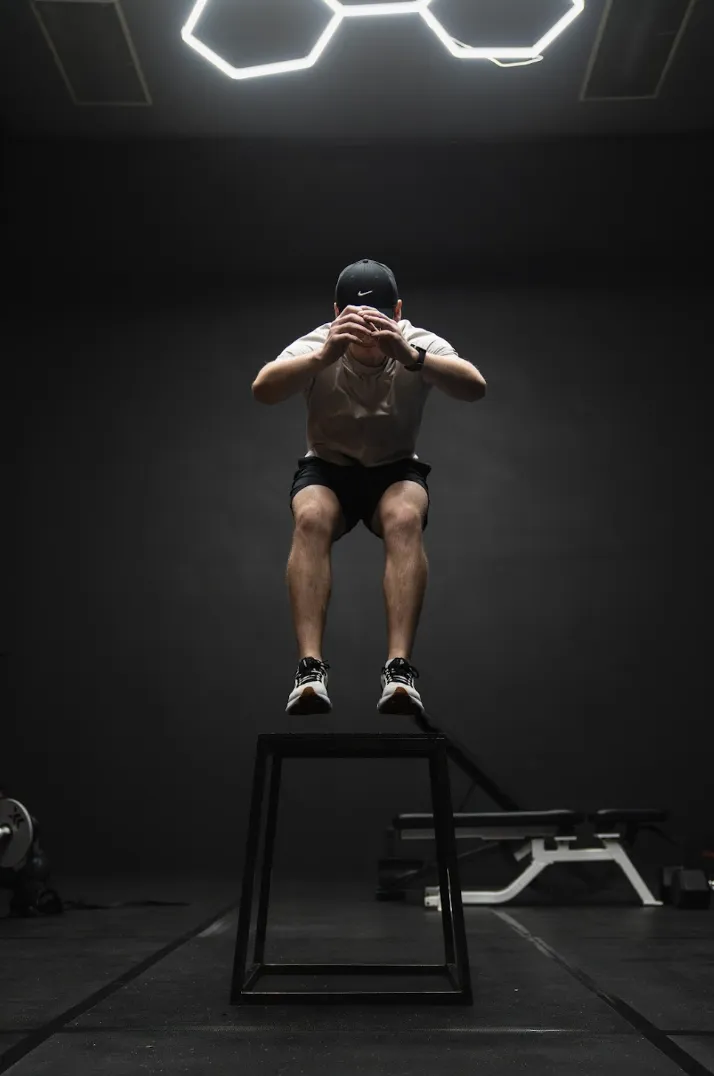
Middle school to college. You got hurt on the field. We get you back on it — stronger than the day you went down, and built to stay that way.
- The ACL Comeback Program, built for torn ACLs
- Real numbers on your strength and movement — no guessing
- No shortcuts, because shortcuts cause the second injury
For active adults
Active Adults
That knee, hip, or ankle has been talking to you for a while now. Quiet it for good — and get back to lifting, running, hiking, and keeping up with your kids.
- We hunt down the real cause, not just the sore spot
- A plan that fits your life, your sport, and your goals
- Built to keep you strong for the long run
Why Primal
Not your average physical therapy
You know the drill at most clinics: rushed, shared with three other people, and cleared "when it feels about right." We built Primal to do the exact opposite — for athletes and active adults alike.
01
Care built around you
One-on-one and semi-private options that match your goals and your budget. You're a person with a plan — not a name on a packed schedule.
02
We measure. We don't guess.
We use the same tools the pros get tested on to read your strength and movement. The numbers — not a hunch — tell us when you're ready.
03
Lower body is all we do
Knees, hips, and ankles, every single day. That's why athletes and active adults both get true expertise from the first visit.
04
We answer fast
Question between visits? Text or email your therapist and hear back within 24 hours. Guaranteed.
05
A plan made for you
Your body and your goals aren't anyone else's. Neither is your plan — it's built around where you are and where you want to be.
06
Simple, honest pricing
No surprise bill three months later. One clear price, HSA/FSA welcome, and we hand you everything you need to claim money back from your insurance.
Real people, real comebacks
From the field to the trail
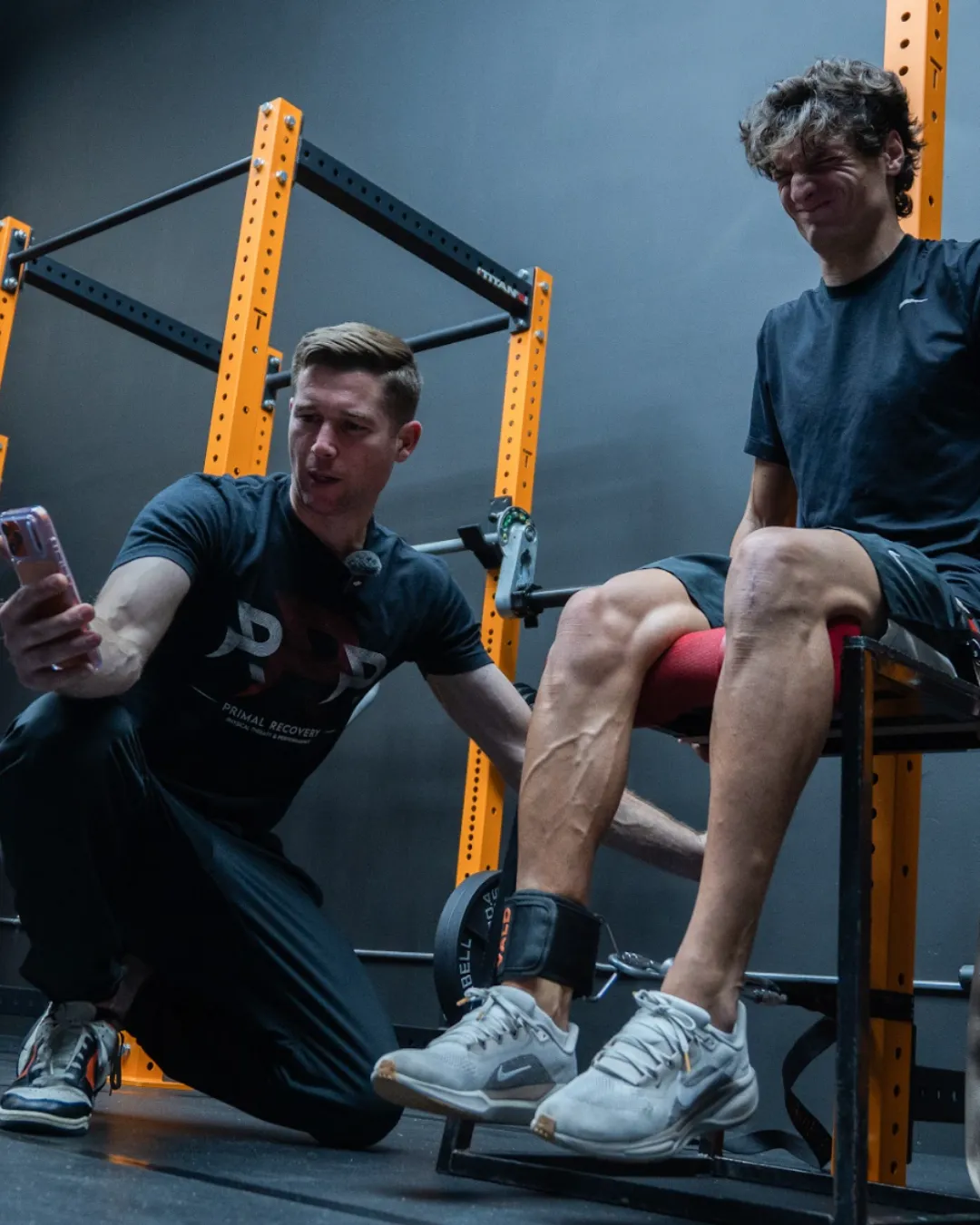
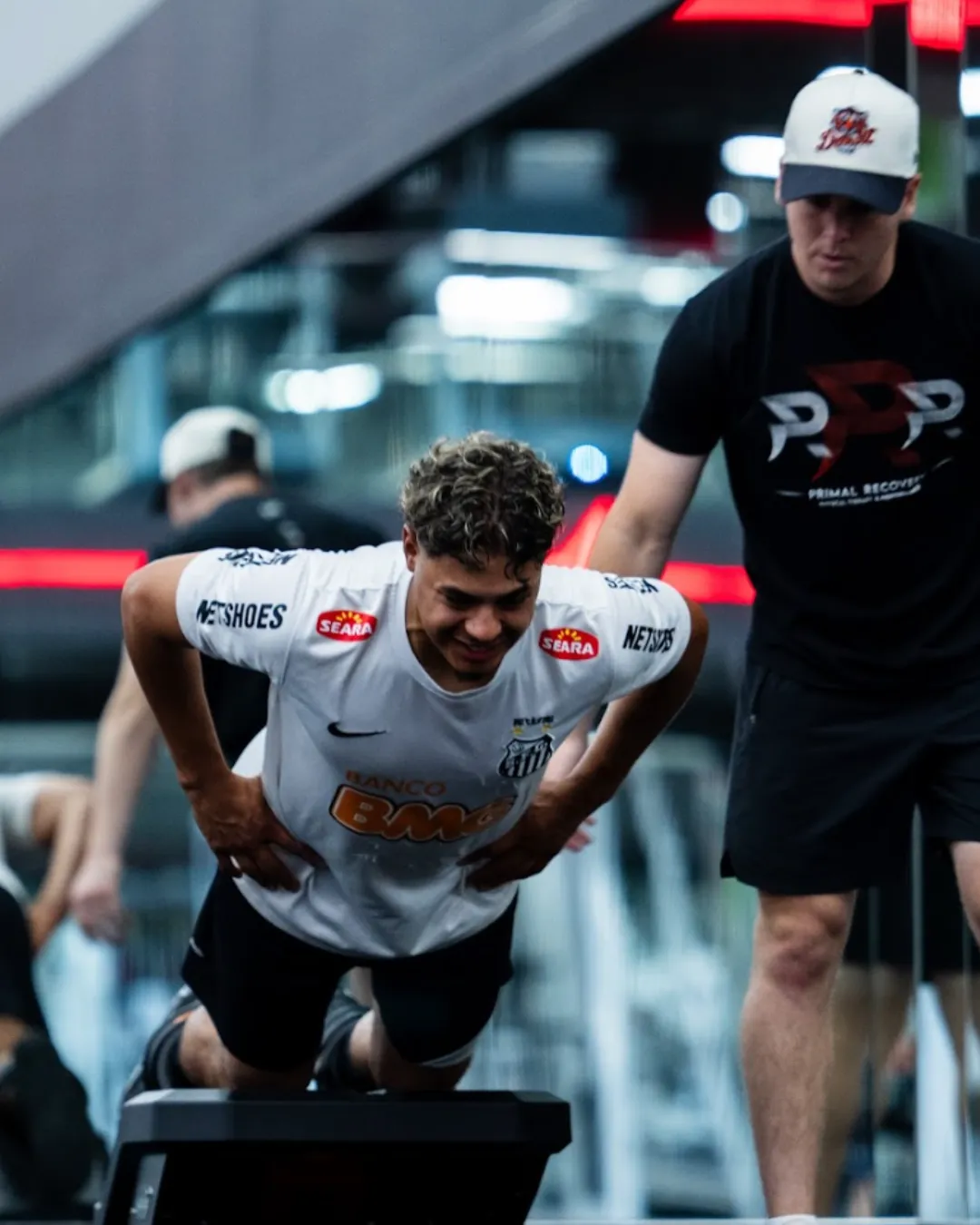
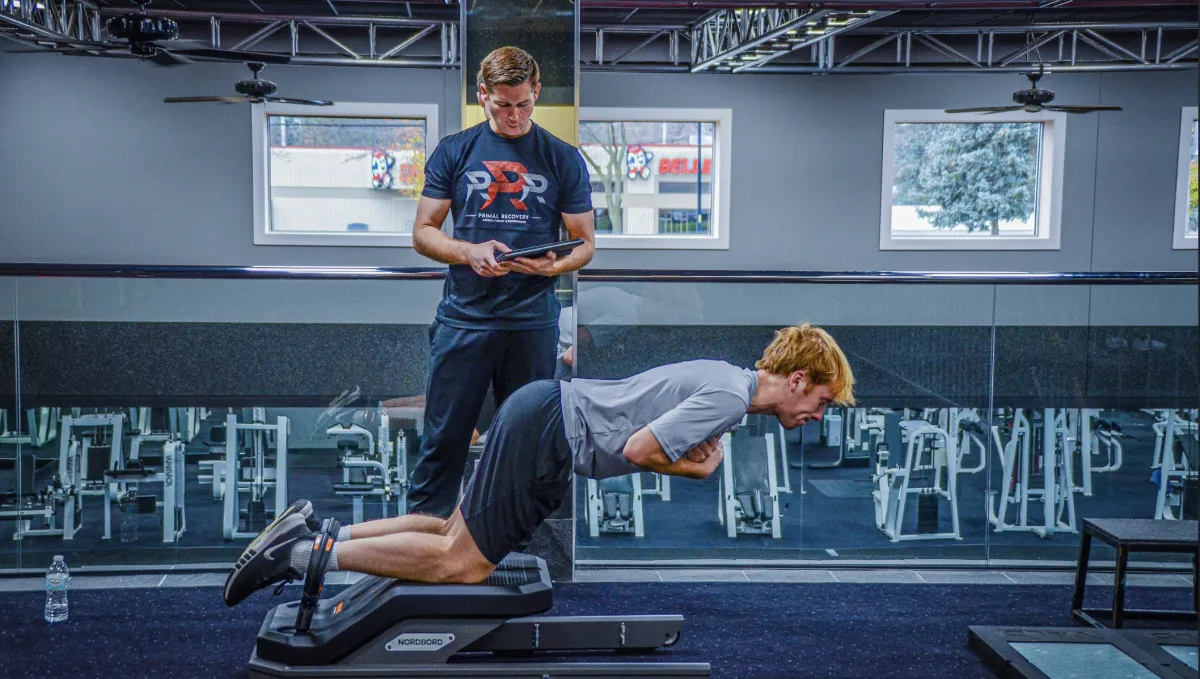
Same expert care, whether you're 15 and chasing a scholarship or 50 and chasing your kids around the yard.
500+
Comebacks delivered
0
Corners cut, ever
24h
Reply time, guaranteed
2
Metro Detroit locations
Your team
Coached by people who've been there
Every therapist here trained and competed at a high level. We know exactly what your comeback feels like — because we've lived our own.
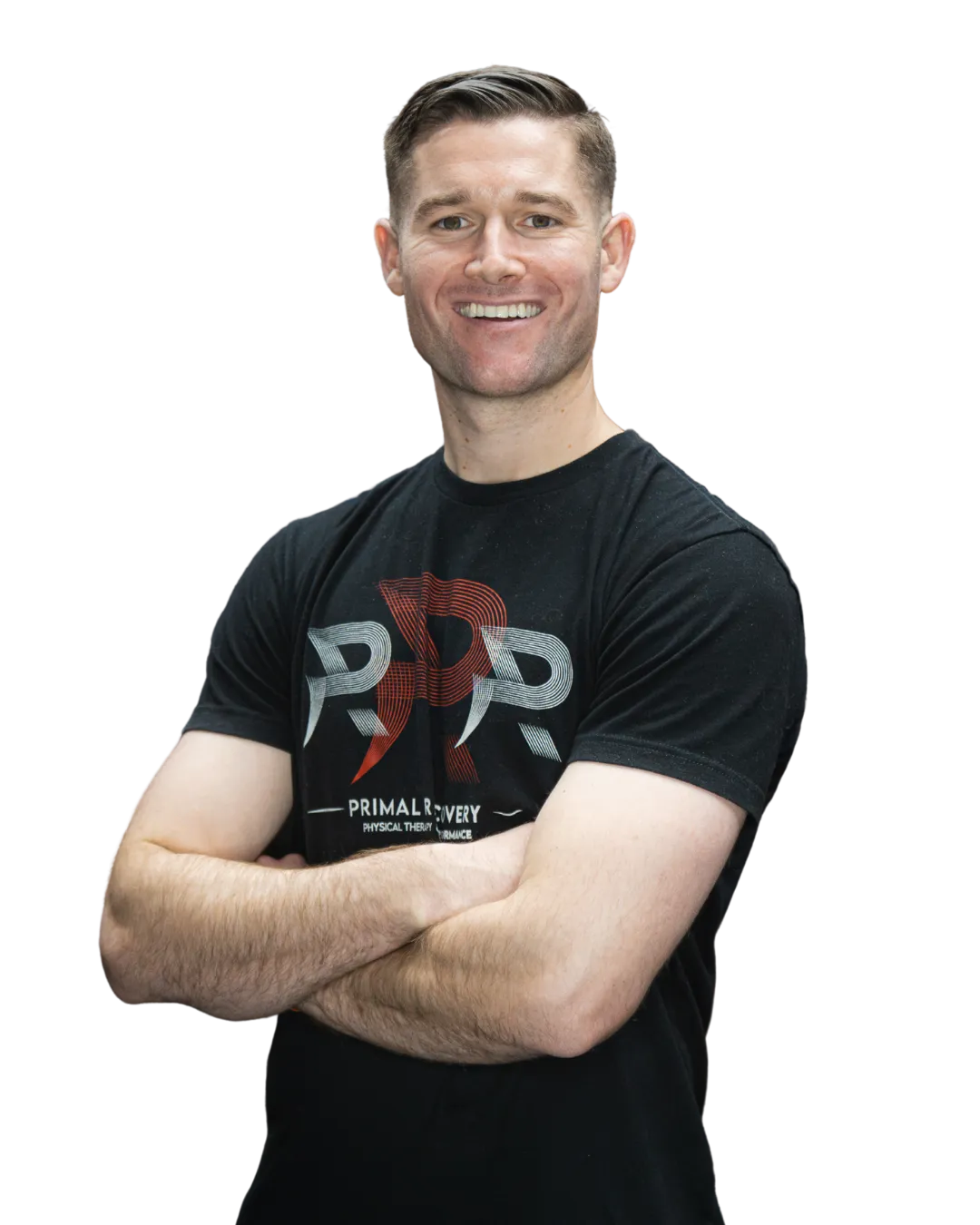
Dr. Zack Atwood
Founder · PT, DPT
Former college soccer player turned ACL specialist. Zack started Primal Recovery for one reason: to get athletes and active adults back stronger than the day they got hurt.
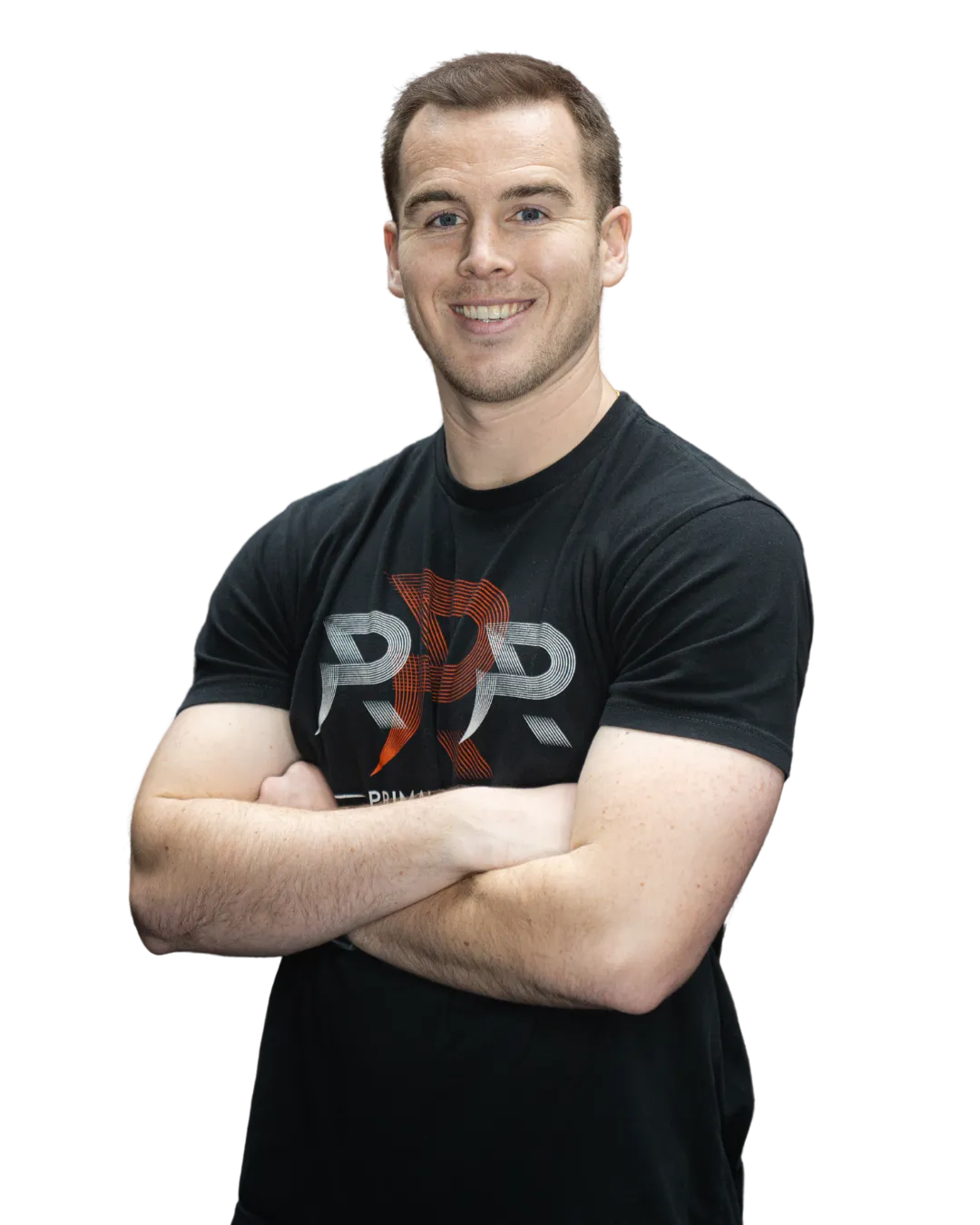
Dr. Spencer Nolff
Performance PT, DPT
A former Division I soccer captain and national champion. Spencer knows what hard training actually demands — and how to get your body ready to meet it again.
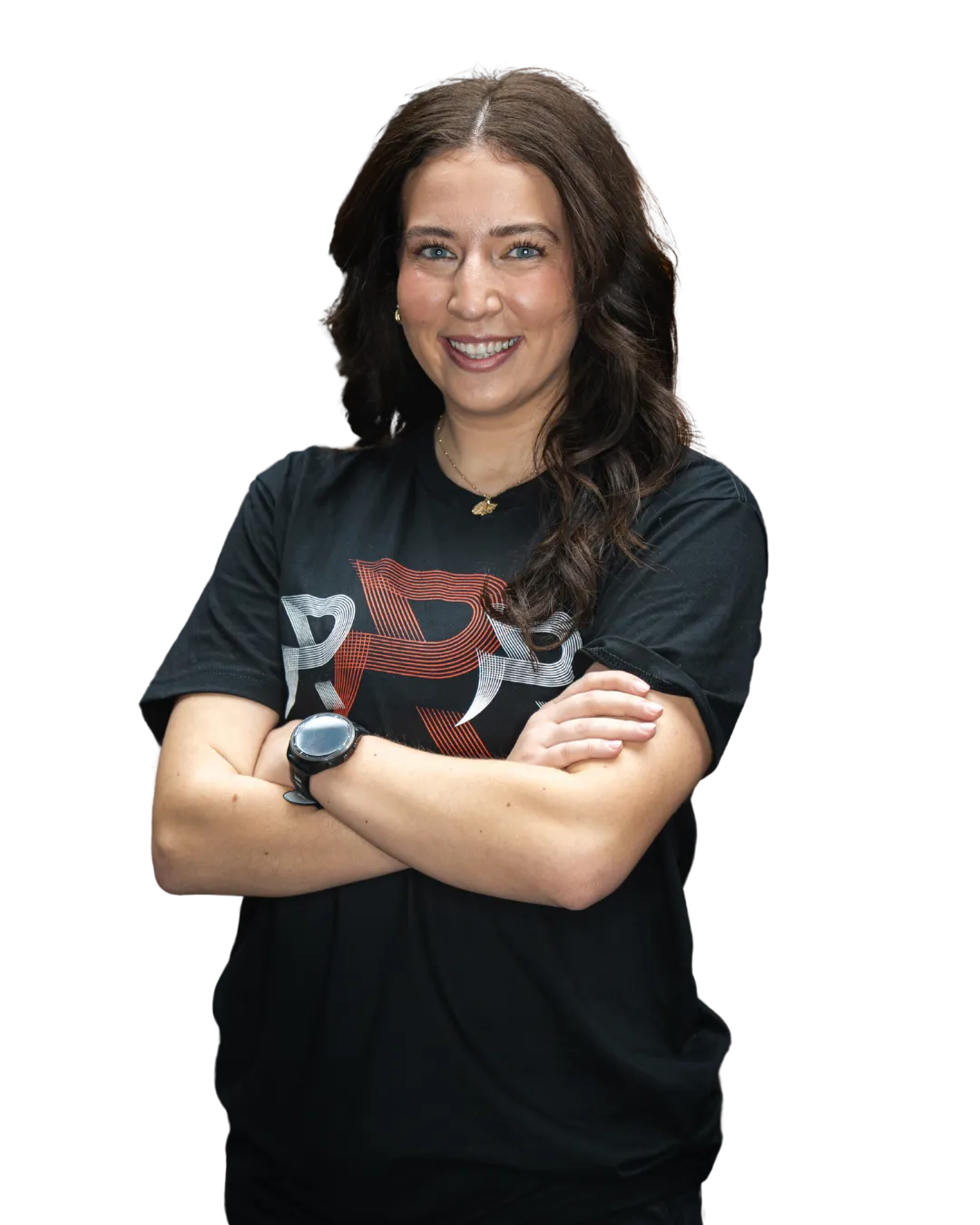
Dr. Mary Koje
Performance PT, DPT
A sports PT who draws on her own ACL surgeries to connect with athletes through the physical and mental side of recovery. Detroit Medical Center sports residency, with a focus on research-based rehab.
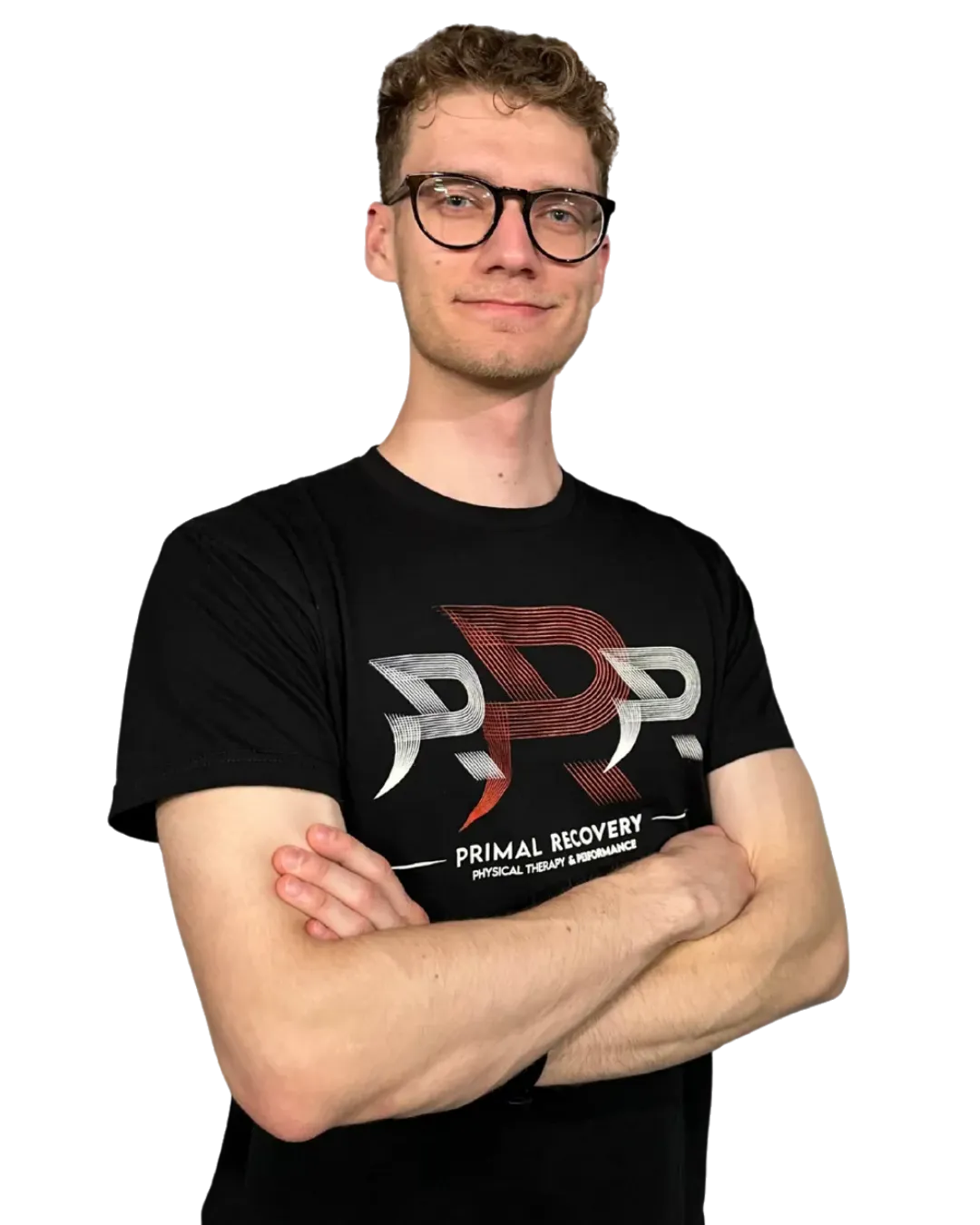
Dr. Evan Waszkiewicz
Performance PT, DPT
A distance runner and certified coach. Evan helps runners and active adults move better, come back faster, and stop getting hurt in the first place.
Don't leave your comeback to chance
Book a free call. We'll listen, answer every question, and tell you the honest next step — even if that step isn't us. No pressure. No pitch.
Book Your Free Call
Good to know
Common questions
Not directly — and that's on purpose. Billing insurance is what forces clinics to rush you and double-book your hour. Going cash-pay lets us give you our full attention every visit. You pay one clear price, use your HSA or FSA, and we hand you the paperwork to claim money back on out-of-network visits. Most clients spend less than they would on copays and deductibles at a packed clinic.
Flexible by design. Book 45- or 60-minute one-on-one sessions, or step into the ACL Comeback Program, which blends one-on-one care with semi-private training. On your first call we'll help you pick the option that fits your goals, your schedule, and your budget — not ours.
No. Michigan lets you come straight to us — no referral, no waiting room runaround. If we spot something that needs a doctor or imaging, we'll tell you straight and point you the right way.
We listen to the whole story, watch how you actually move, find the real cause — not just the sore spot — and start treatment that same day. You walk out with a clear plan, not a follow-up booked just to "talk about it."
Middle school, high school, and college athletes, plus active adults of every level. Knees, hips, and ankles are our world — ACL tears, meniscus injuries, ankle sprains, tendon pain, hamstring and groin strains, and recovery after surgery.